ASIAN SHARK
CONSERVATION,
RESEARCH AND LEADERSHIP
WORKSHOP 2025
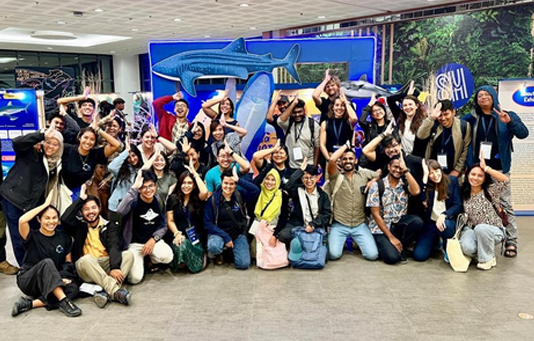
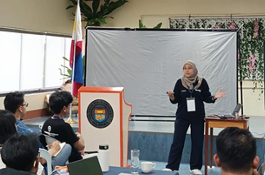
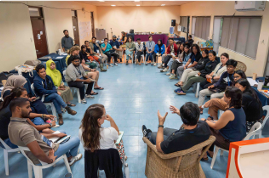
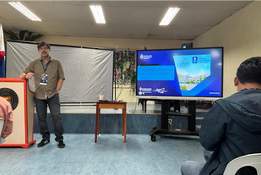
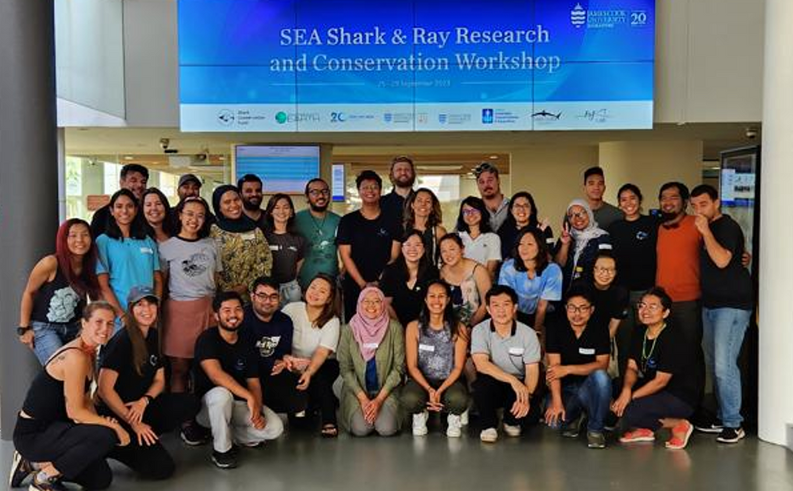
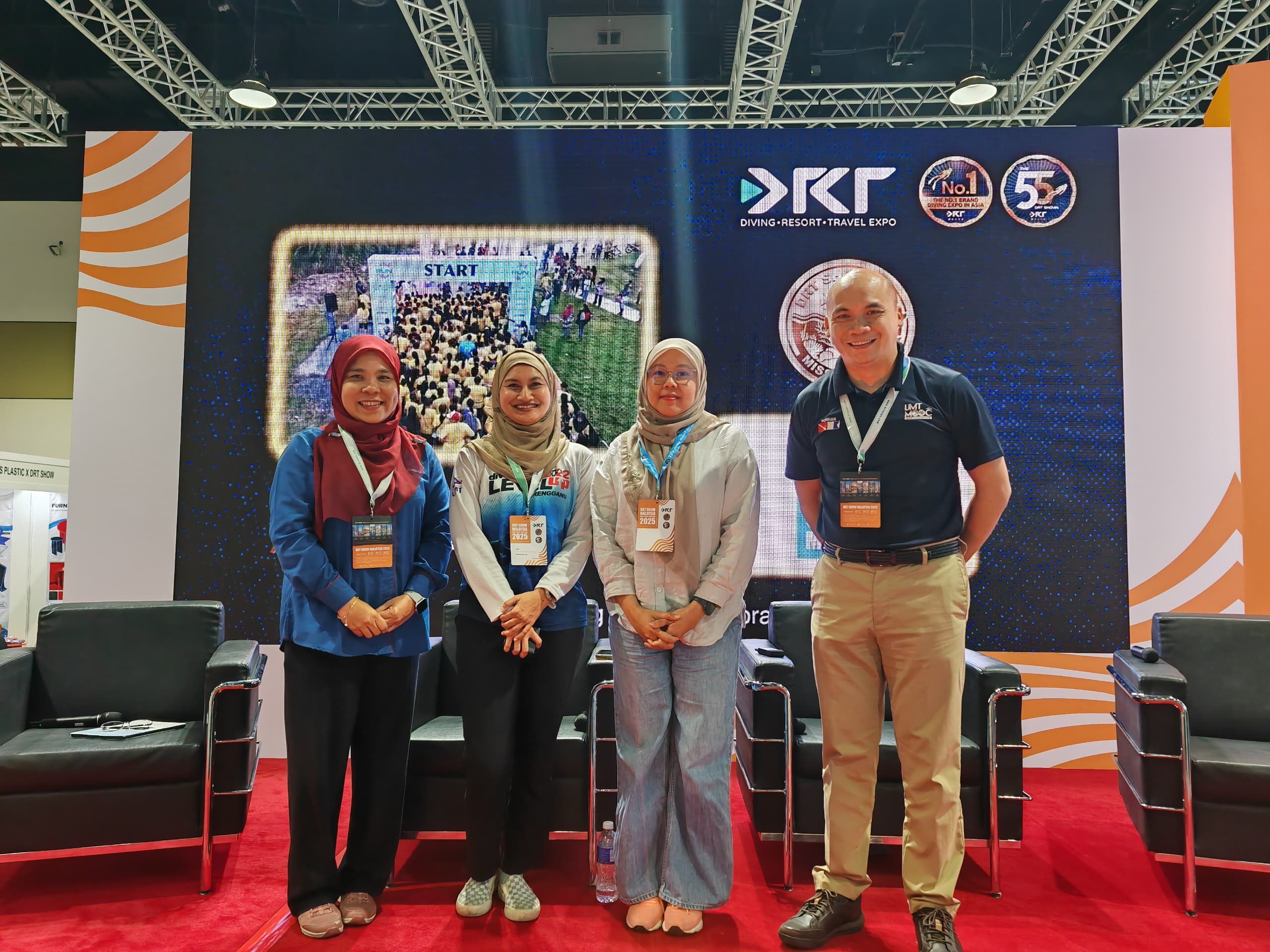
A regional capacity-building workshop organised by James Cook University (Australia & Singapore) and Blue Capacity Collective, bringing together shark and ray researchers and conservation practitioners from across Asia. The workshop was attended by Assoc. Prof. Dr. Maizah Mohd Abdullah from the Faculty of Marine Science and Environment, Universiti Malaysia Terengganu (UMT). Participation in the workshop aligns with Project Ocean Hope’s commitment to strengthening conservation leadership, advancing applied marine research, and supporting long-term, evidence based ocean stewardship in Asia.
ASIAN SHARK
AND RAY
ALLIANCE (ASRA)
The Asian Shark and Ray Alliance envisions a future where sharks and rays across Asia are sustainably managed, responsibly used, and effectively protected. ASRA is committed to advancing scientific research and collaborations that enable the sustainable use and conservation of these vital species, and that are respectful of the customs, culture, and livelihoods of Asian peoples. ASRA will will help to develop and sustain a highly professional, knowledgeable, and resilient international community of scientists, managers, and conservation practitioners that applies the best available science and world-leading practices to ensure sharks and rays thrive, for the benefit of ecosystems, communities, and future generations
BLACKTIP REEF
SHARK STUDY
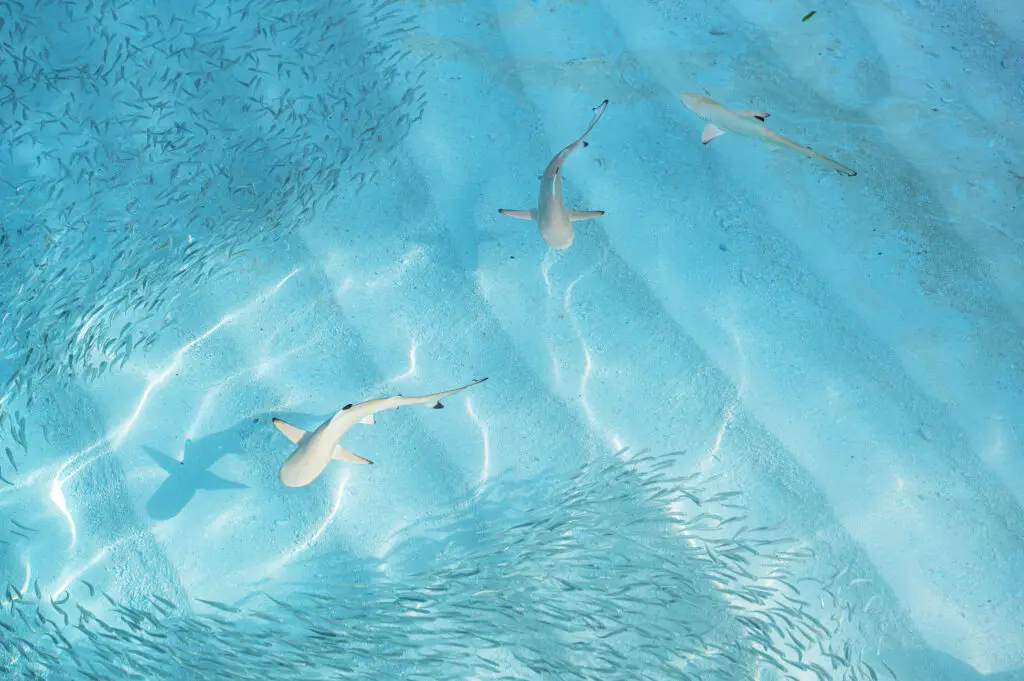
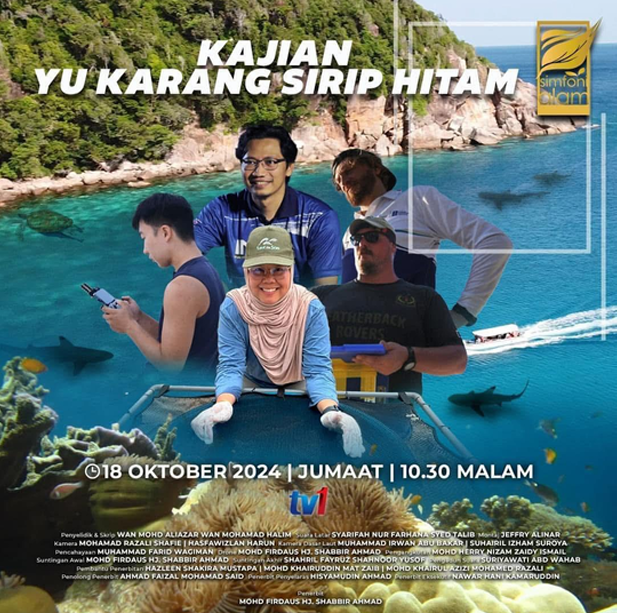
This study examined the presence and movement patterns of juvenile blacktip reef sharks (Carcharhinus melanopterus) at Chagar Hutang Turtle Sanctuary, Redang Island, a site recognized as a potential shark nursery ground in Malaysia. The sanctuary comprises well-protected shallow reef and lagoon habitats with minimal human disturbance, offering suitable conditions for juvenile sharks. Chagar Hutang has also been designated as an Important Shark and Ray Area (ISRA), underscoring its importance for elasmobranch conservation. Blacktip reef sharks commonly utilize shallow coastal habitats during early life stages, yet their spatial ecology in Malaysian waters remains poorly understood. This study provides essential baseline information to support the identification and management of critical shark nursery habitats within marine protected areas.
METHODS
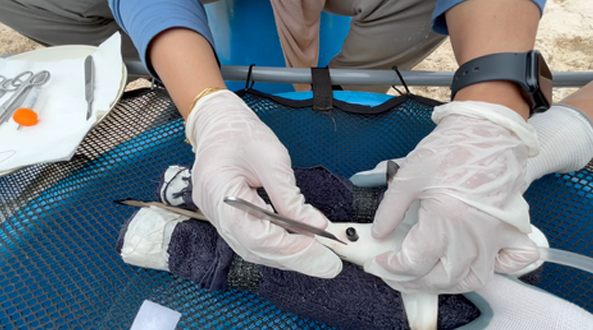
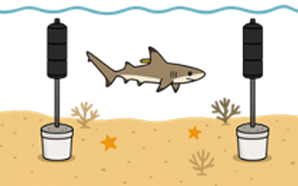
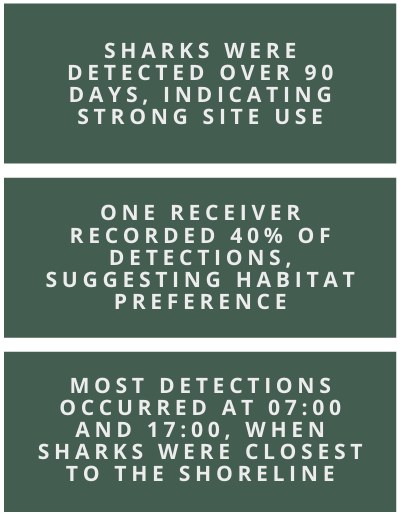
A passive acoustic telemetry array was deployed at Chagar Hutang Turtle Sanctuary, with receivers positioned at the east and west bays to monitor juvenile shark presence. Two juvenile blacktip reef sharks were acoustically tagged, and detections were recorded to assess habitat use and movement patterns. Data were collected over the study period from July to October 2024, with research support from RHB Islamic Bank Berhad.The findings show that juvenile blacktip reef sharks regularly use shallow coastal areas at Chagar Hutang, indicating its importance as a potential nursery site. Protecting these nearshore habitats is therefore important for shark conservation.
UNDERSTANDING JUVENILE HABITAT USE IS IMPORTANT FOR STRENGTHENING SHARK CONSERVATION STRATEGIES WITHIN MARINE PROTECTED AREAS.
Authors: Nicholas Tolen¹, Maizah M. Abdullah², Neil Hutchinson³, Darryn Zheng⁴
WHALE SHARK
CONSERVATION
AT TENGGOL ISLAND MARINE PARK
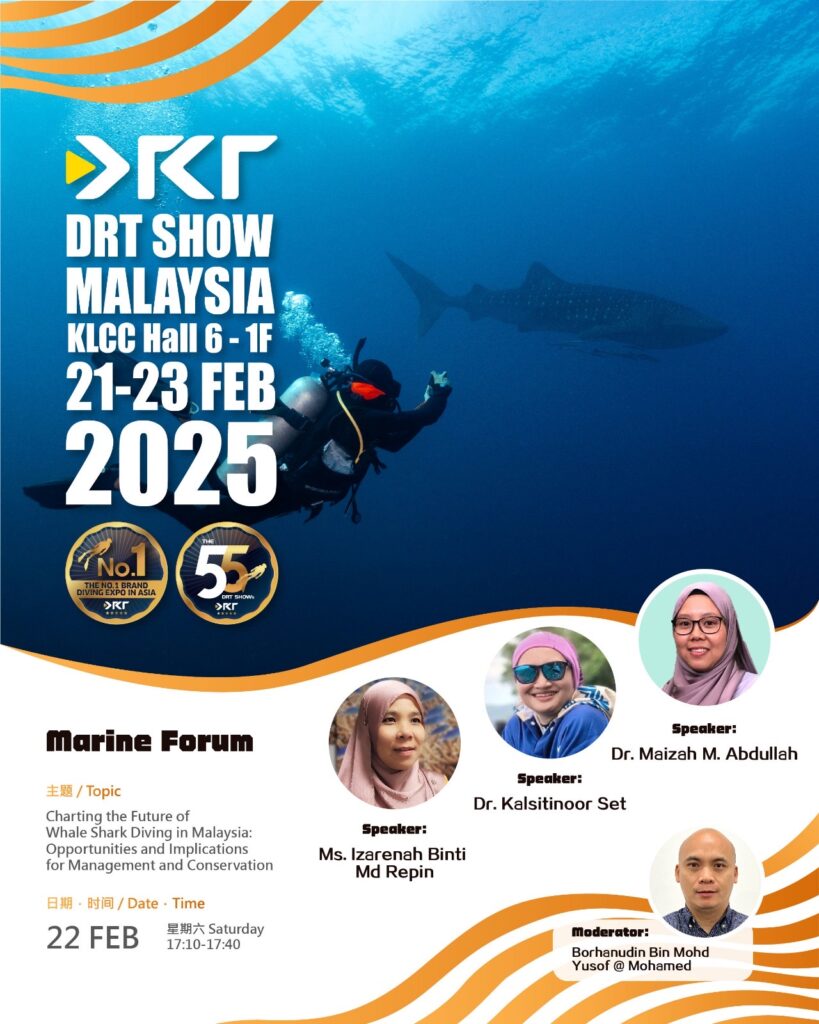
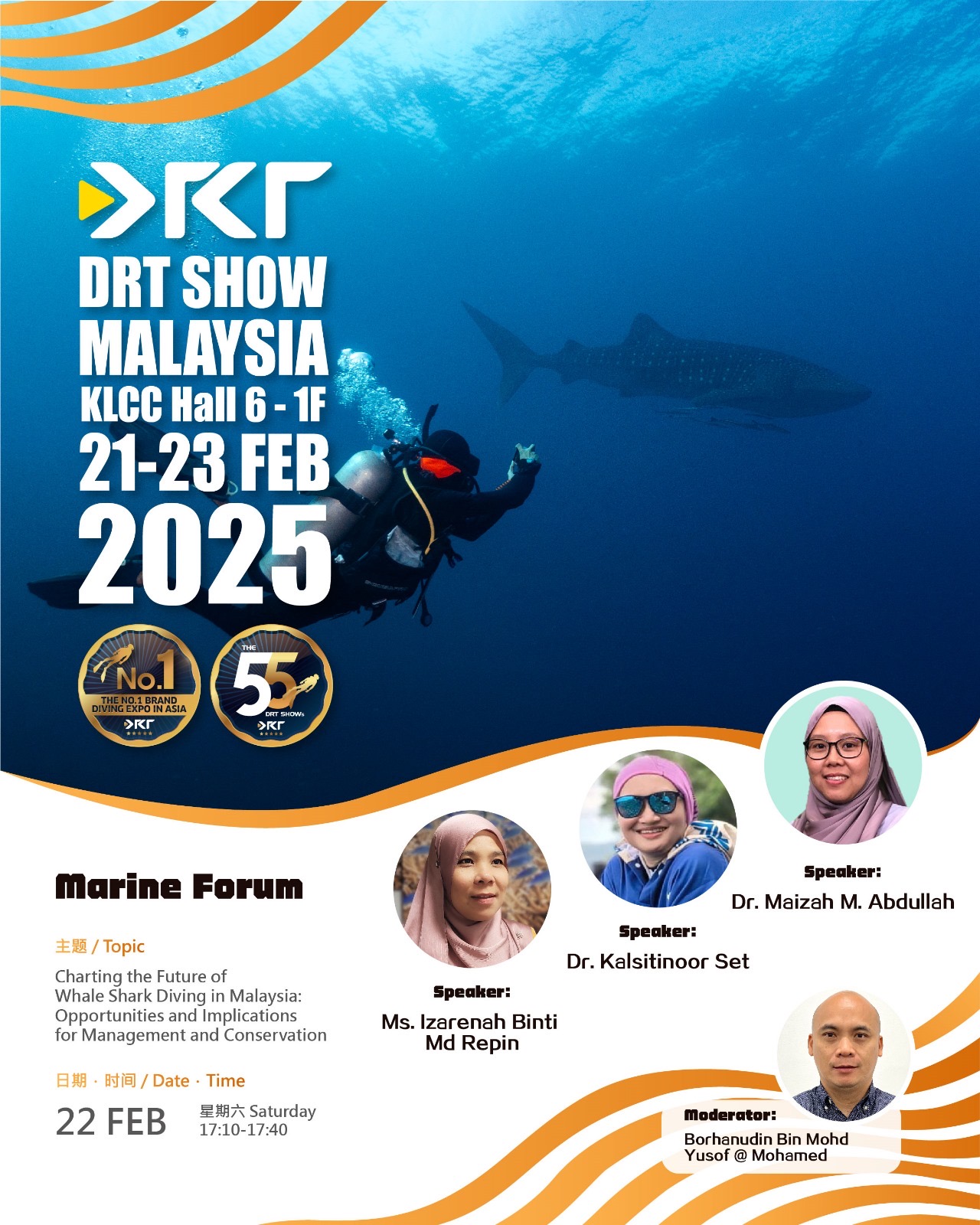
This whale shark conservation project focuses on Tenggol Island Marine Park, an important seasonal aggregation site for whale sharks (Rhincodon typus) along the east coast of Peninsular Malaysia. Whale sharks are now listed under Appendix I of the Convention on International Trade in Endangered Species of Wild Fauna and Flora (CITES), reflecting the highest level of international protection for the species. Despite this protection status, information on whale shark occurrence, movement patterns, and habitat use in Malaysian waters remains limited. This project aims to address these knowledge gaps by documenting whale shark presence, behavior, and interactions with humans at Tenggol Island. A key component of the initiative is the active engagement of recreational divers and local dive operators, forming a citizen science–based conservation framework that enables systematic data collection through standardized sighting reports and photographic identification. By fostering collaboration between scientists, tourism stakeholders, and the local community, this approach enhances conservation awareness, promotes responsible marine tourism, and demonstrates the Ocean Hope Project’s strong commitment to whale shark conservation in Malaysia, contributing to long-term species protection and sustainable ocean stewardship.