
Secrets of the Deep Blue
Discovering remarkable marine life and powerful stories of hope for our oceans.
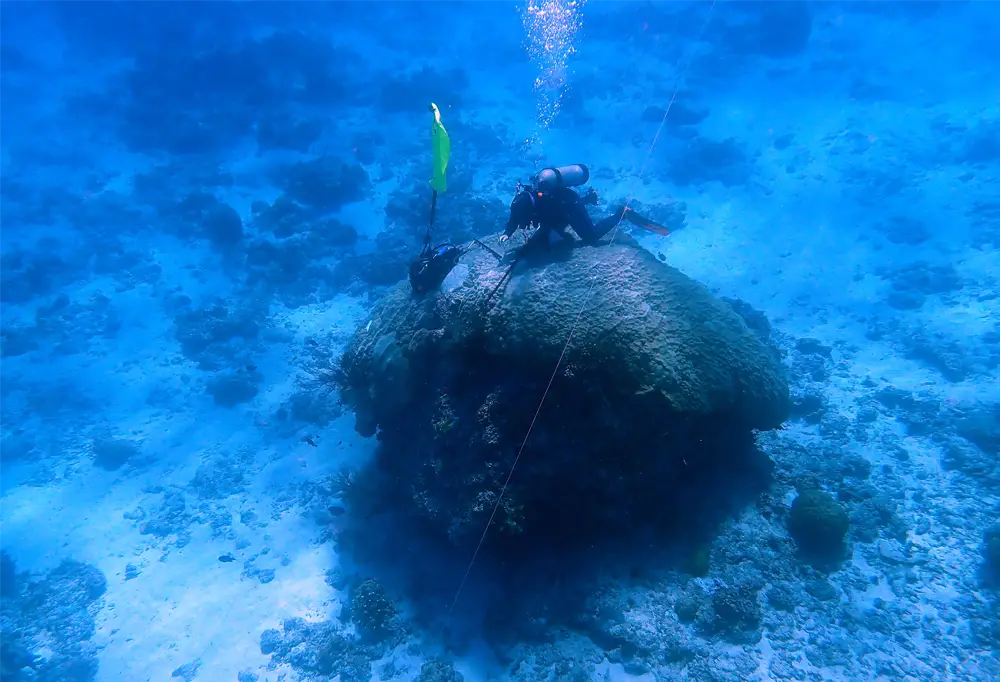 Coral Reef
Long Live Corals
Corals can be found in many parts of the ocean—some live in warm, shallow, tropical seas while others live in the cold, deep seas. Similar to tree trunks, corals reflect the condition of the ocean that they live in through their growth rings. Cross-sections of the corals allow researchers to determine their age, which can range back to 5,000 – 10,000 years ago! This study is known as sclerochronology.
Fret not! Coring of the corals does not put harm to the animal itself. Furthermore, the hole is then plugged with marine cement and allows the coral to overgrow the plug within a few years.
Ocean Hope Message By studying the past events that have happened in the ocean, we can prepare ourselves in better protecting and conserving our marine ecosystems for the future. In other words, learn from history for a greater present and future!
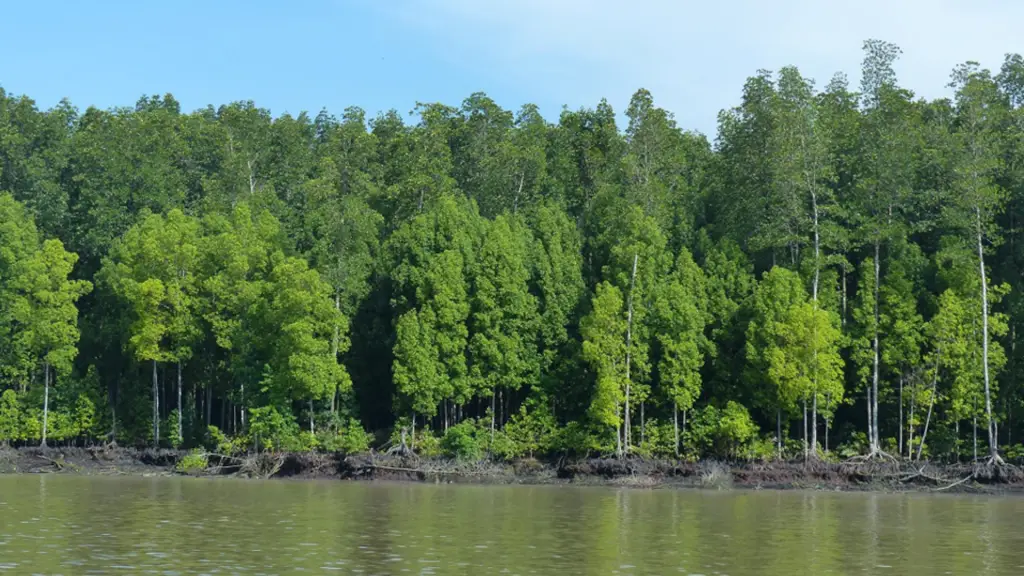 Mangrove
Are There Trees in the Sea?
Yes, there are! Trees in the sea are exactly how you would imagine it to be. Torn between the land and ocean, mangroves live neither fully on land nor fully submerged in the ocean. Hence, mangrove plants face challenges that are not faced by their terrestrial relatives.
During high tide, the roots of mangrove trees are submerged underwater. In order to allow their roots to ‘breathe’, the trees have roots above the ground. The tips of these roots remain above the water, even during high tides, serving as little ‘snorkels’ to keep the tree alive.
When not submerged, mangrove plants must stay upright on soft, muddy ground. To overcome this, they have many roots that spread over a wide area that keeps them stable in the softest of grounds.
Ocean Hope Message It is important to protect mangrove forests because they protect our coastline from erosion and form barriers that shield us from tsunamis. So the next time you hear about a mangrove restoration program near you, do your part: plant a tree!
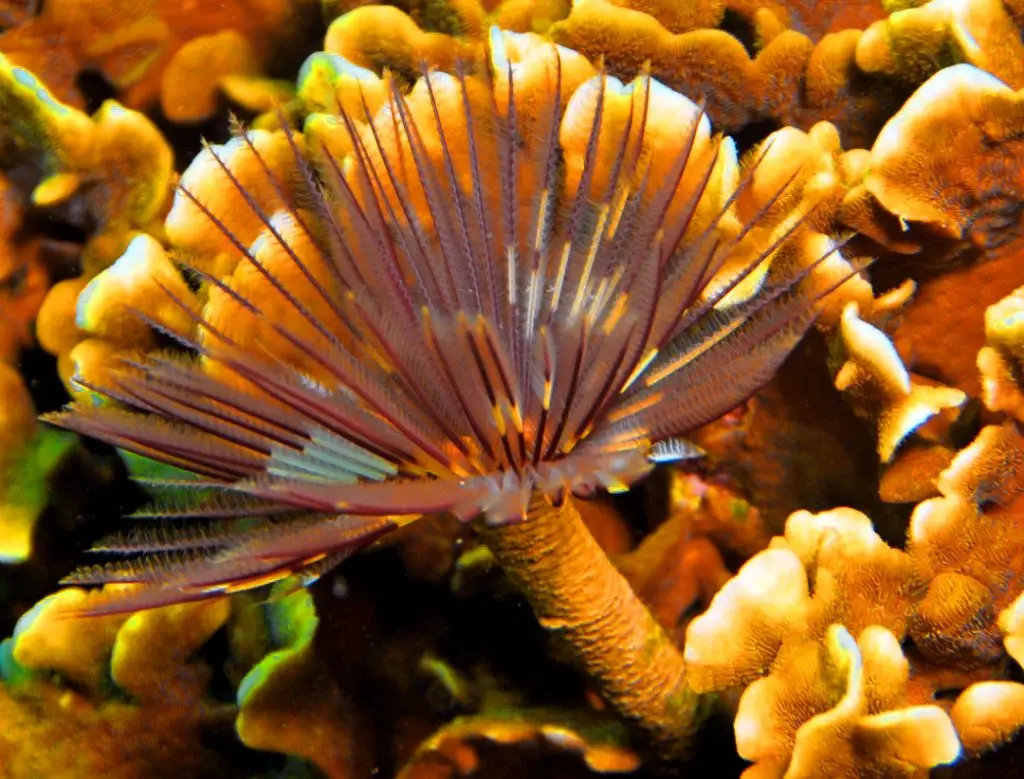 Marine Worms
Not All Marine Worms Look Like Worms
Yes, you heard that right! This is a marine tube worm and they are important members that not only make up the coral reefs, but also add color and life within the ecosystem. You can find them between coral structures making their own tube-like homes. These tubes feel rough yet fragile to the touch.
These worms do not move around once it settled on a suitable substrate and built its tube. By exposing their colourful branchial crown "feathers", they gracefully filter food particles in the water column. This filter feeding action maintains the water quality in coral reef ecosystem.
Ocean Hope Message Next time you encounter this tube worm in the coral reefs, please do not try to touch or remove it. Frequent disturbances may affect the worm’s health.
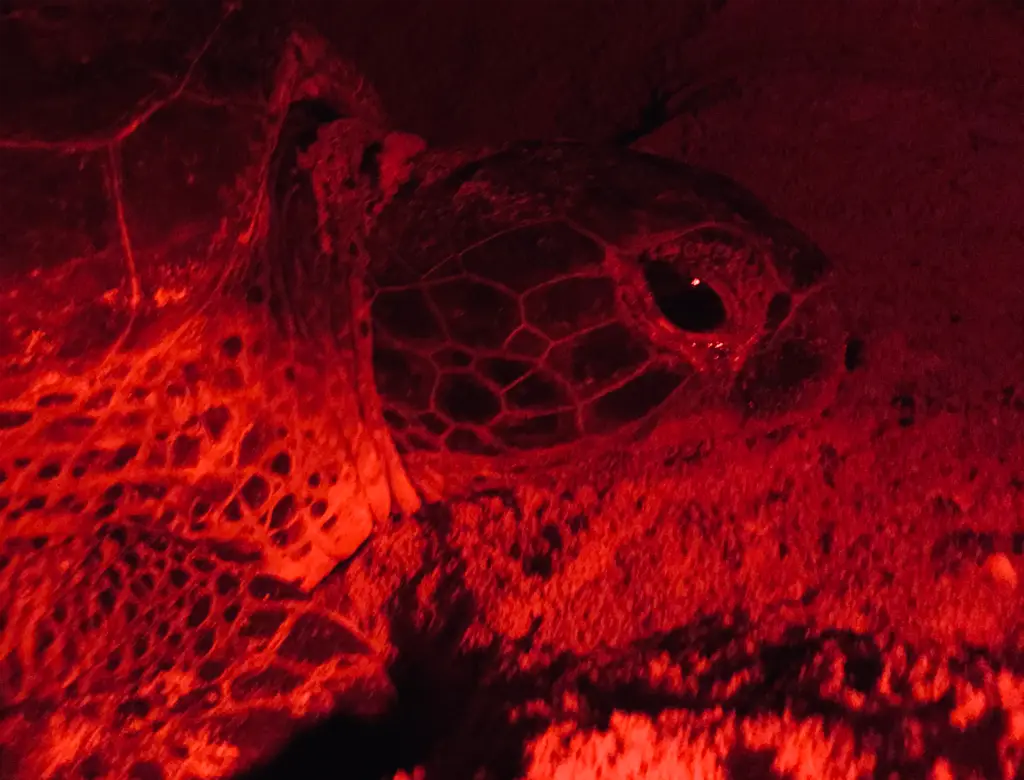 Sea Turtles
The Salty Tears
She's not even sad! Legend has it say that sea turtles shed tears while laying their eggs due to pain. The truth is, sea turtles secrete excess salt through the salt glands behind their eyes as an adaptive trait to maintain lower concentrations of salt inside their body while nesting on the beach.
The salty tears that are released from their eyes also help to flush the mother turtle's eyes from the sand on the beach.
Ocean Hope Message Mother turtles come to the beach to lay eggs at night-time, and they need a clean, quiet and dark surroundings to complete this process. Please do not litter at the beach because dirty beaches will make the sand digging process become difficult for the mother.
 Water Circulation
Ocean Conveyor Belt
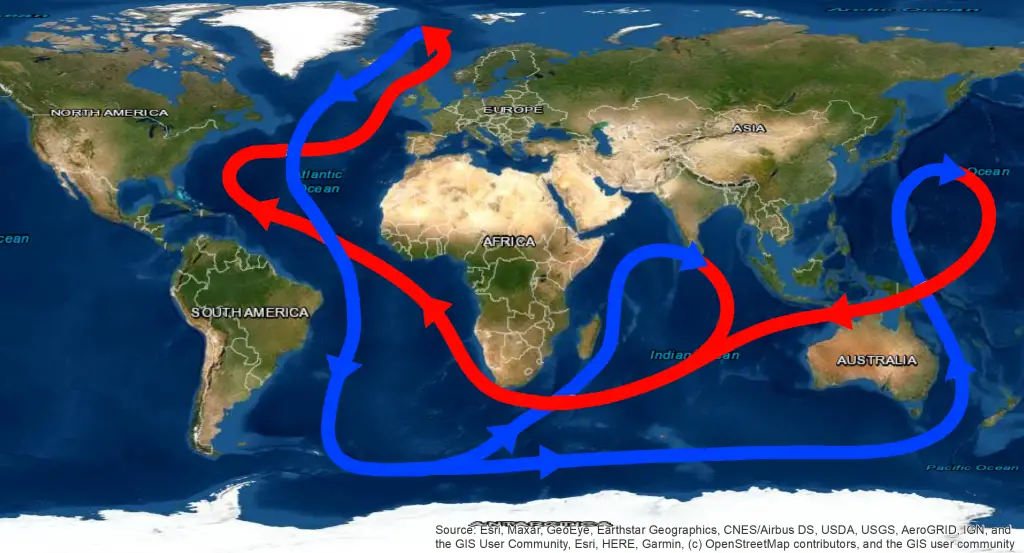
Conveyor belts ain't just found in sushi restaurants! The ocean conveyor belt connects the surface and bottom currents of all five oceans through the thermohaline cycle (thermo = temperature; haline = salinity).
Since the density of warmer water is basically lower and lighter, this volume of warmer waters will follow the surface currents that will move towards higher latitudinal areas such as to the Atlantic Ocean.
Ocean Hope Message If the Earth's temperature continues to rise, this could slow down the flow of our conveyor belt, further heating up our planet and disrupting marine life.
 Seahorses
The Fishy Fish
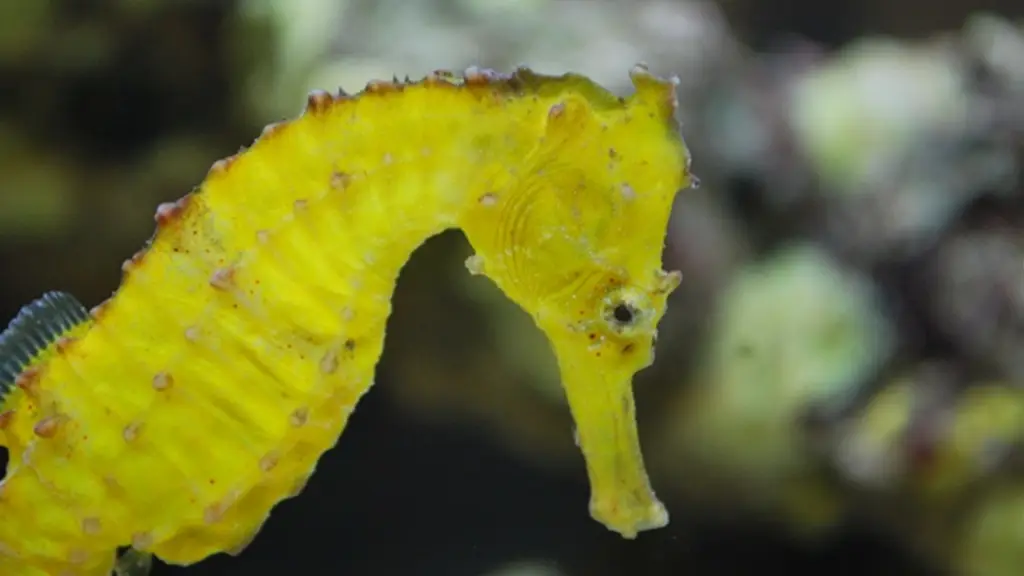
Seahorses are far different than the horses that we see galloping on land. In fact, they are actually a type of fish! Instead of being covered in scales like most bony fishes, seahorses are covered in bony plates that help protect it like an armor!
But that isn't all. When seahorses are born, they are hatched by their dads instead of by their moms. This not only makes them different from other fish, but also sets them apart from other animals, both on land and in the ocean.
Ocean Hope Message The destruction of seagrass habitats in the ocean greatly threatens their populations. Coastal developments must always be carried out responsibly in order to protect these unique and amazing creatures.
 Seaweed
Red Doesn't Always Mean Danger
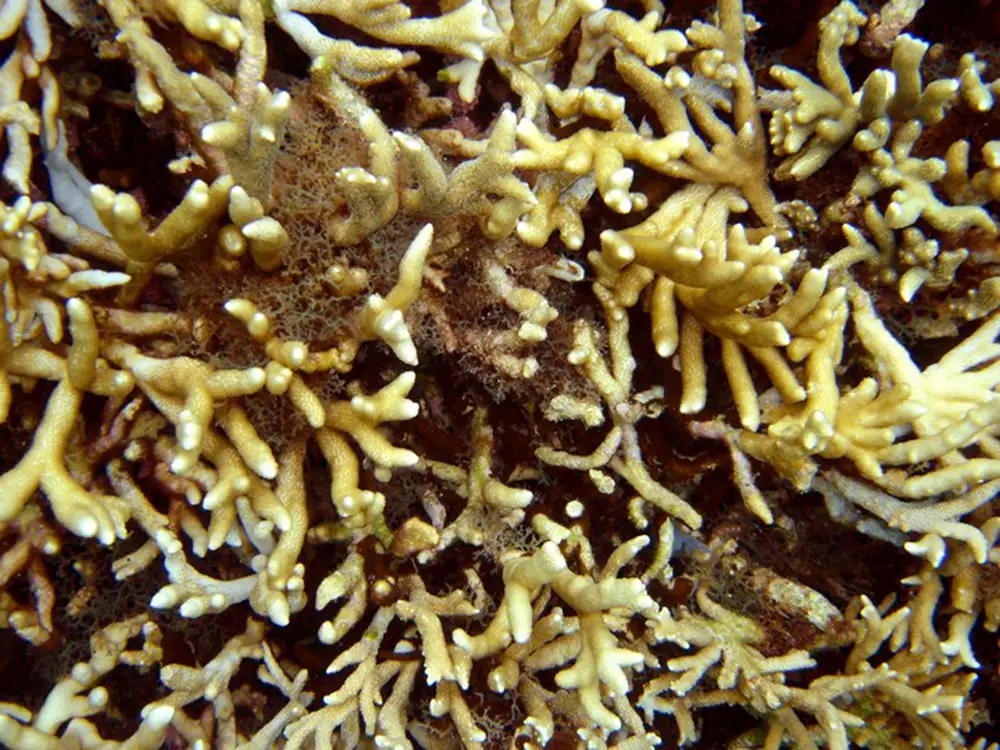
Red does not always mean danger – At least, not in seaweeds. In fact, red seaweeds are exceptionally beneficial for its medicinal properties! Algae are categorized into three types: red, brown and green. Red seaweed, in particular, are famous for their usage in the cosmetic and pharmaceutical industries.
Red seaweed is also known as Nori (sea vegetable) – the dried seaweed sheet used to make sushi rolls and onigiri. In Malaysia, red seaweed Gracilaria sp. are made into local salads called kerabu sare and can be found in Terengganu and Kelantan.
Ocean Hope Message Aside from their benefits to humans, they are also important as habitat to many small organisms. Hence, please source them responsibly and avoid over-exploitation.
 Plankton
Small Heroes are Heroes Too
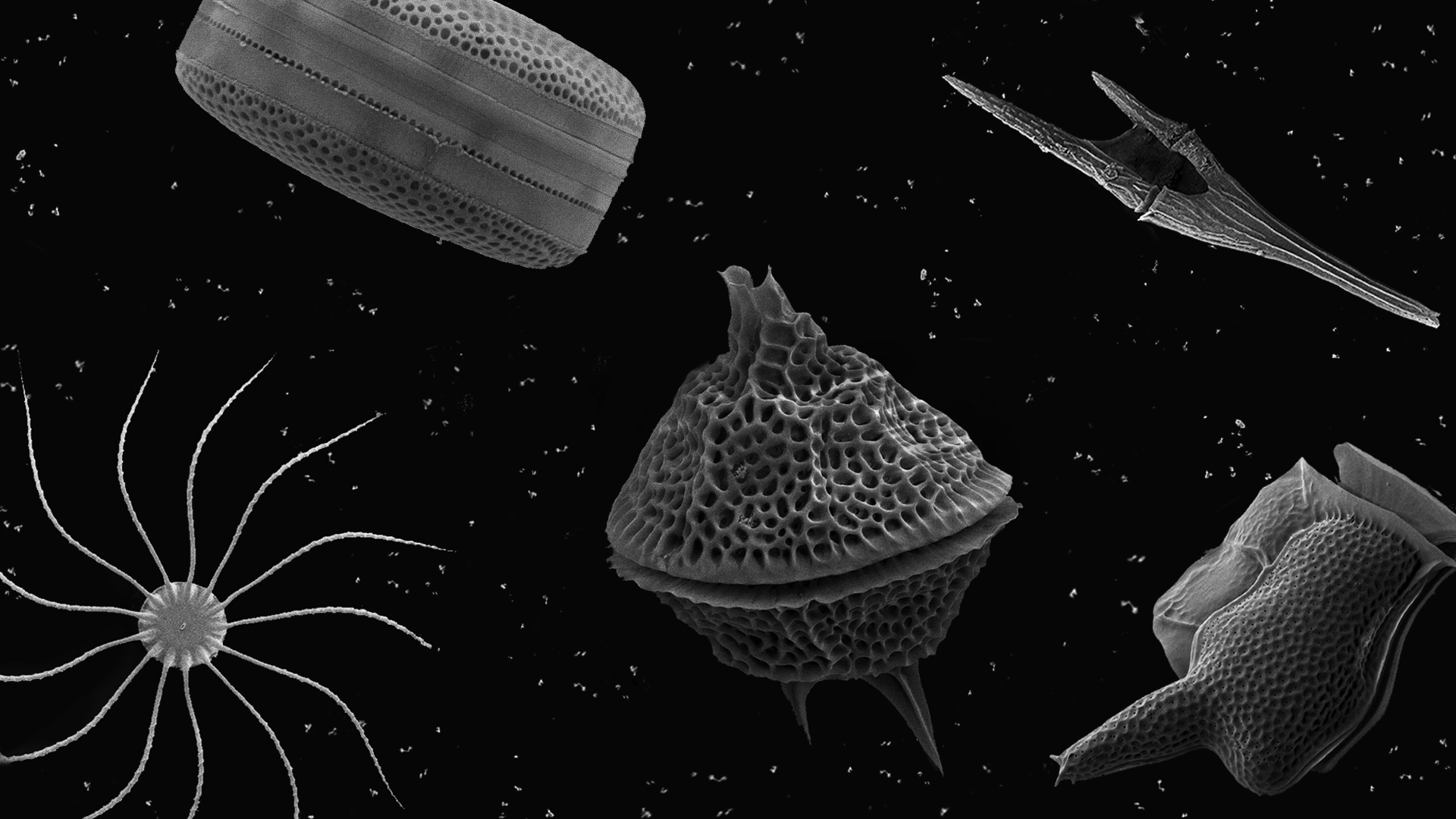
The tiny ocean plants, known as phytoplankton, are 100x smaller than the average diameter of a human hair follicle. Despite the miniscule size, they are able to contribute to more than half of the Earth’s oxygen.
Like all plants, the phytoplankton photosynthesis process requires the use of sunlight and nutrients. Phytoplanktons are also the key food item at the base of the marine food web, making it a valuable asset to the ocean.
Ocean Hope Message Climate change spells bad news for phytoplankton. As the atmospheric temperature increases, waters become warmer and less oxygen will be available. One way to help is to reduce transport emissions with fuel-less alternatives such as riding a bike.
 Mollusca
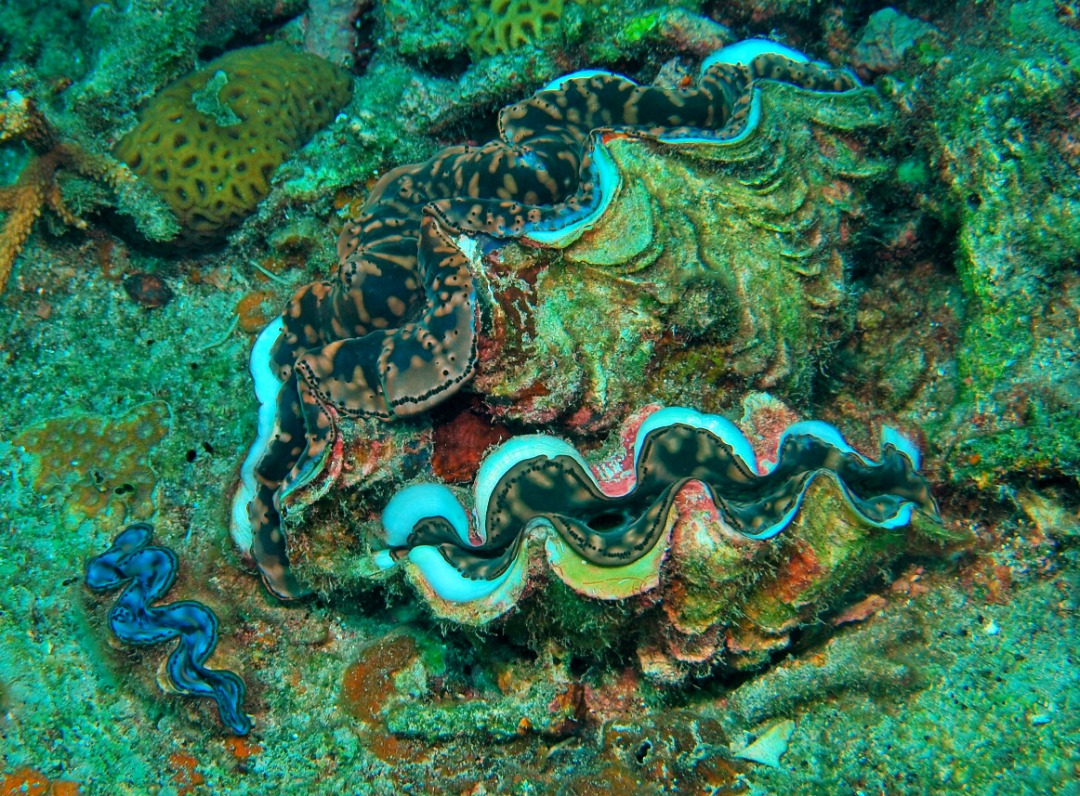
How Many Giant Clam/s Can You Spot In This Photo?
The answer is THREE! Giant clams are celebrated for their beauty due to their bright colors and pigmentation of their mantles. These patterns are created by the zooxanthellae, a type of algae that live symbiotically with the giant clams to provide nutrients via photosynthesis.
Ocean Hope Message The numbers of giant clams in the wild have been greatly reduced by overexploitation. If you ever encounter this giant clam in the coral reefs, please do not harvest them. Restocking giant clams could take up to 10 years. Please do not litter at the beach because dirty beaches will disrupt the spawning process of the clams.
 Fishes
Friendly Jaws
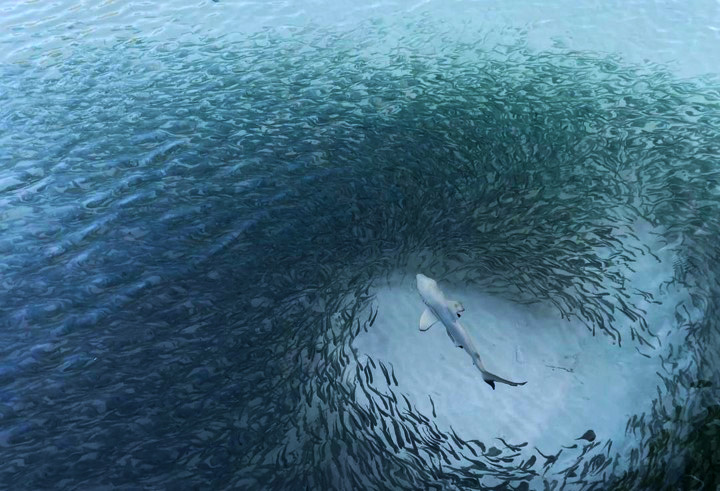
Be wary, but don't panic! Thanks to popular movies, sharks are widely painted as man-eating and aggressive fish, regardless of their species. As years passed by, studies have found out that humans are not even in the shark's natural diet! In fact, they prefer to feed on smaller fishes and invertebrates while larger ones prey on seals, sea lions and other mammals, which are not found in Malaysian waters. Now doesn't that make you feel safer?
If you had the chance to spend some time in the clear waters along Malaysia's beaches, you might encounter a blacktip reef shark. Just as the name suggests, they are often found in shallow waters of the coral reefs. Identified by the black tip on their dorsal fin, they are more likely to flee from you than to approach you with curiosity (in other words, a scaredy-cat!).
Sharks, in general, serve an important role in the marine ecosystem as a top predator. They maintain the food web by keeping the numbers of smaller carnivorous fishes (e.g. tuna, groupers) in check. By doing so, sharks allow populations of smaller, herbivorous fish such as parrotfish and rabbitfish to thrive, which in turn help to control the algal growth on reefs and promotes healthy corals.
Ocean Hope Message Do not consume shark's fin soup! It is estimated that 73 million sharks are killed for the purpose of producing shark fin soups. We must take care of our sharks as their numbers have been consistently declining over the years. With simple actions of rejecting shark products, you too can help to save our sharks and the seas they call their home.